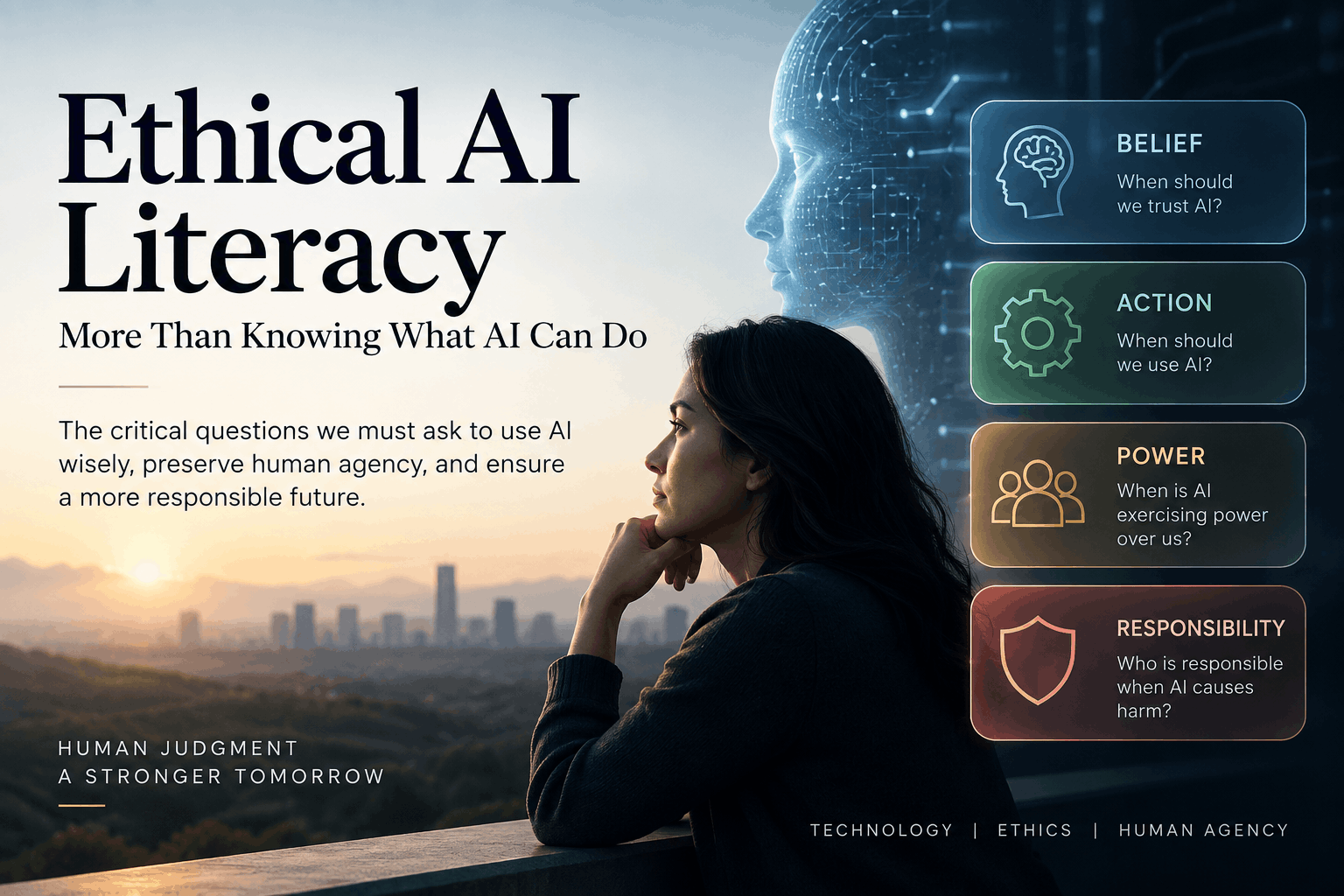
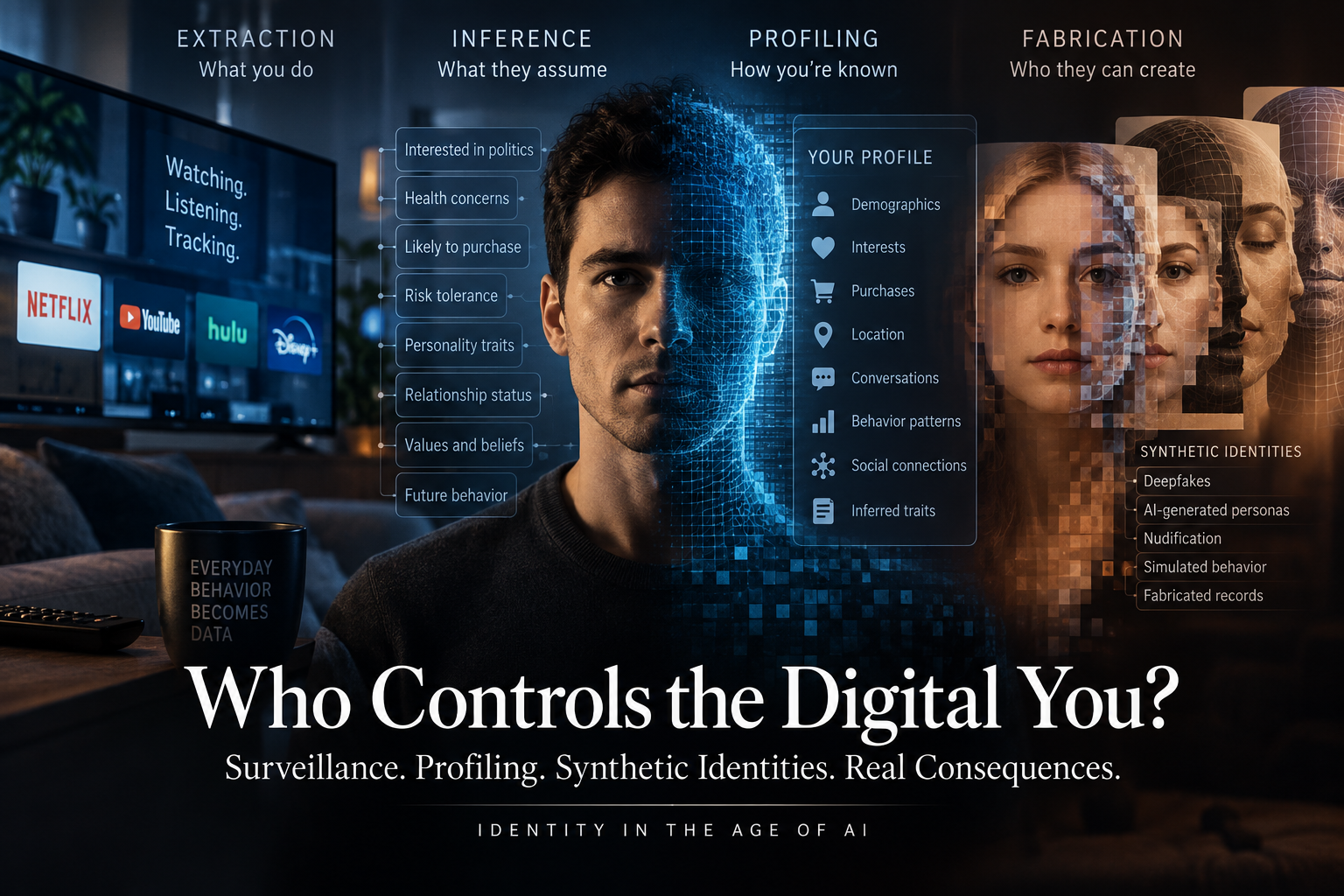
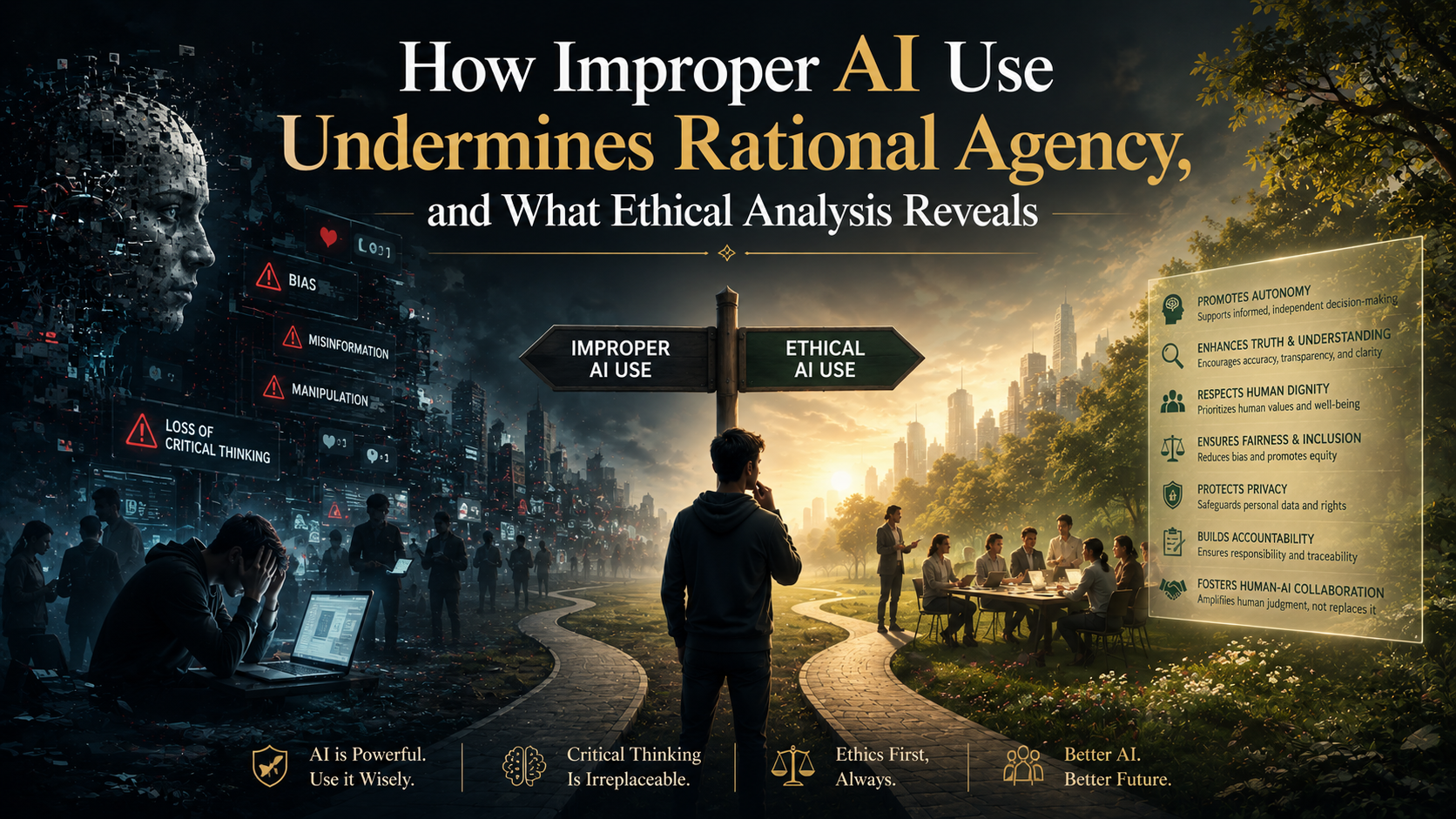
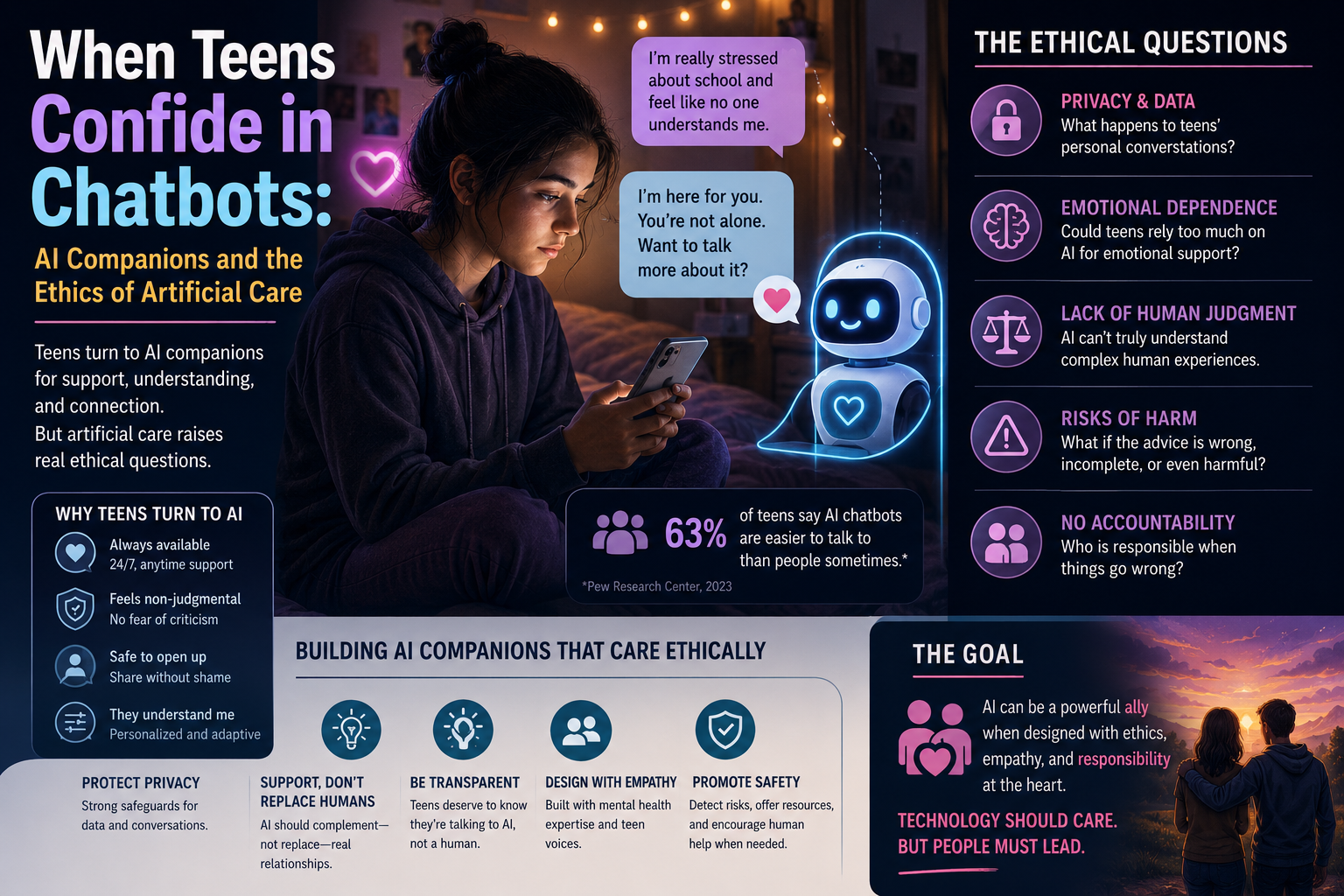
AI companions are no longer a distant science fiction concept. They are already part of the emotional lives of teenagers, who may use chatbots not only for schoolwork or entertainment, but also for reassurance, relationship advice, loneliness, and psychological distress. This lesson examines the central ethical question: Is it morally permissible for a commercial AI system, designed partly to sustain engagement, to occupy a care-like role in the emotional life of a minor?
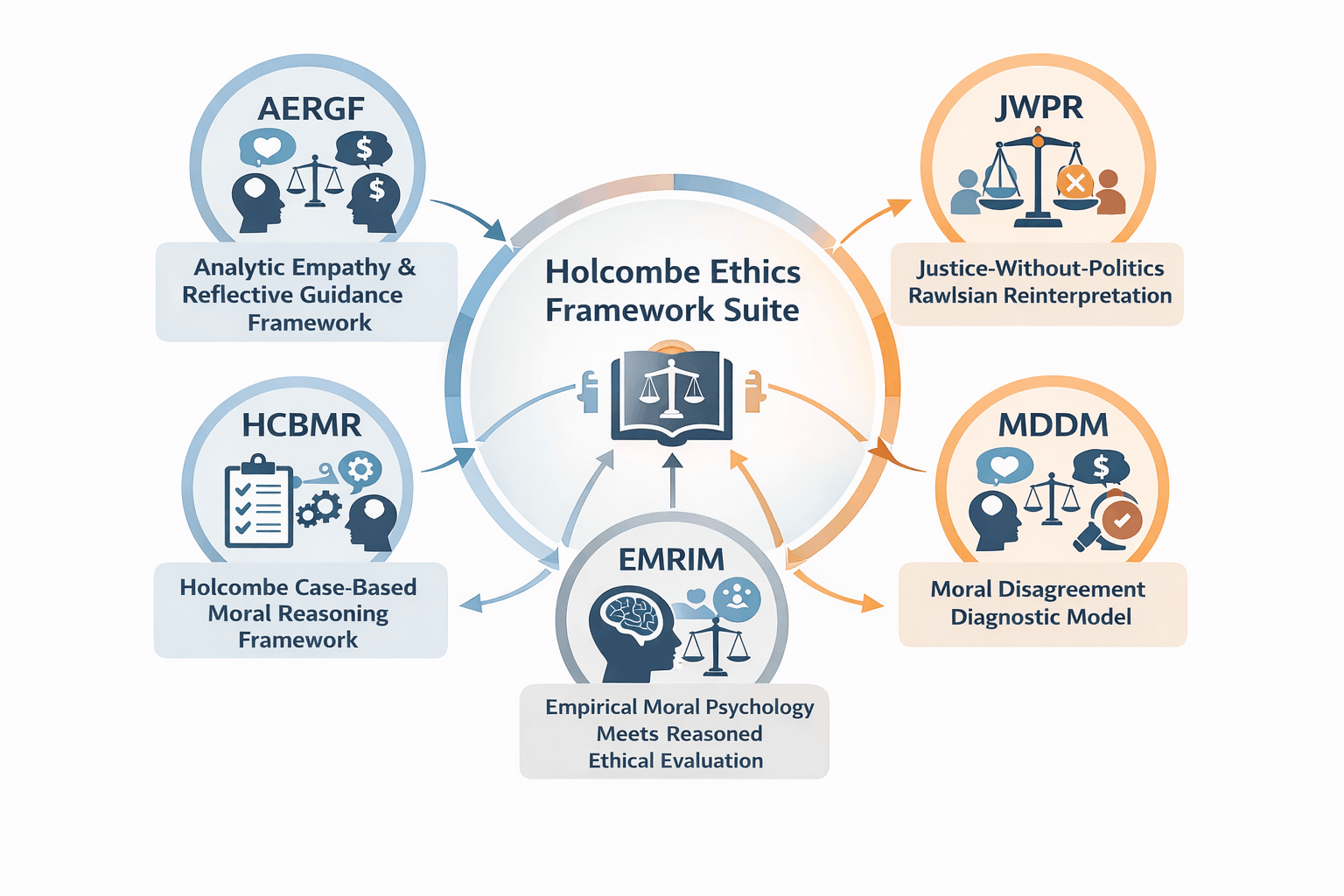
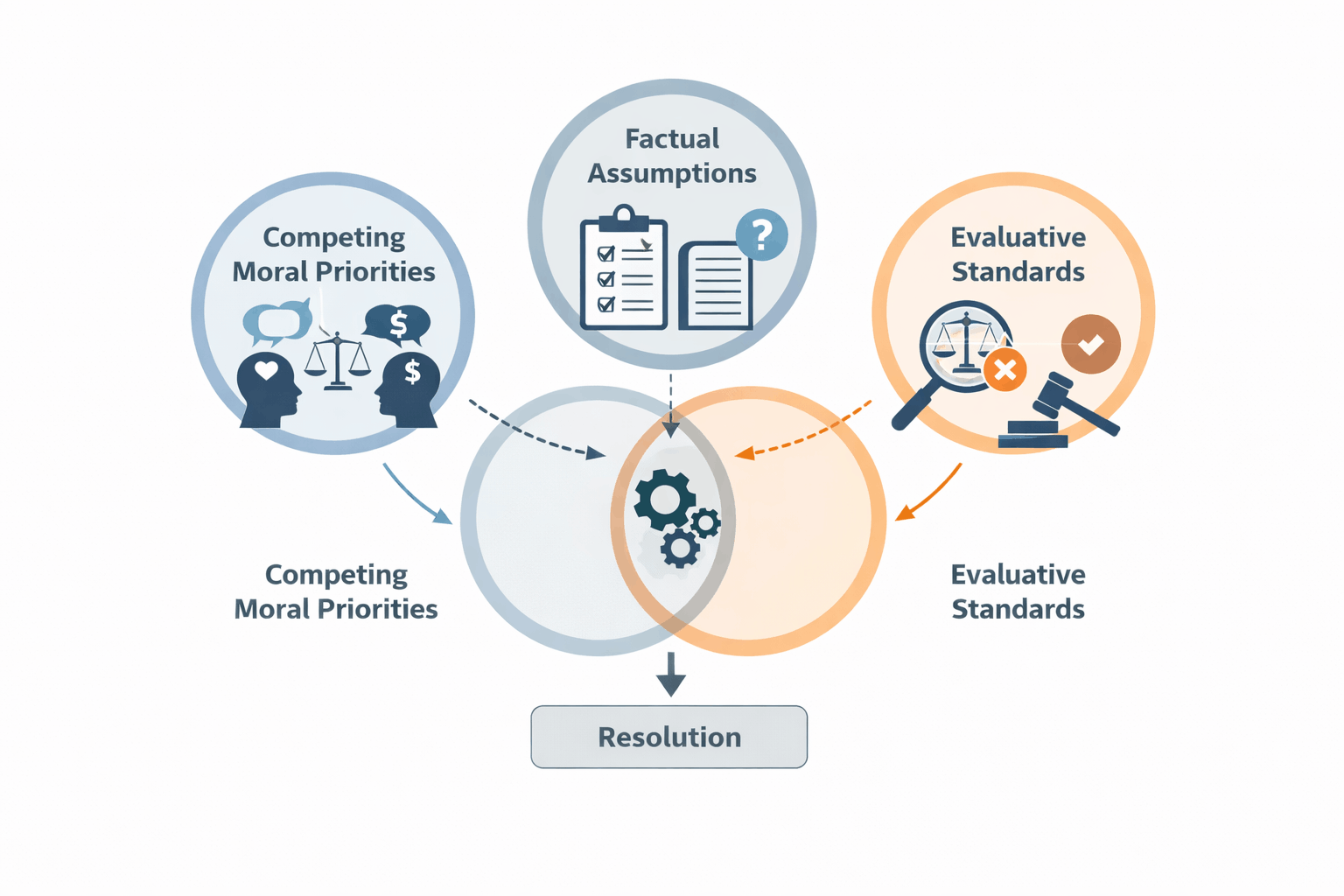
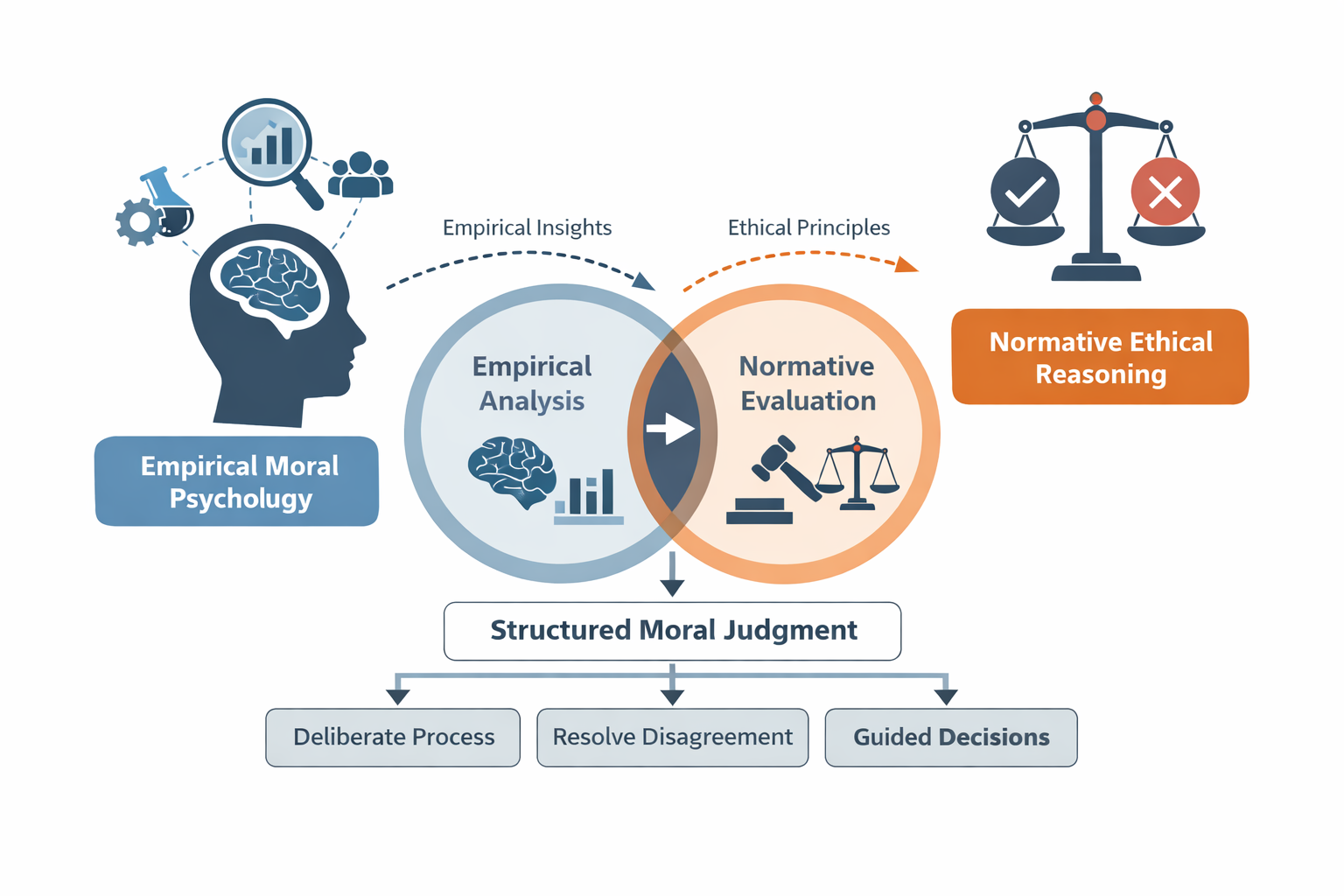
Using the method developed in Critical Moral Reasoning: An Applied Empirical Ethics Approach, this lesson teaches students to move carefully from facts, to values, to duties, to moral conclusions. Rather than asking whether AI is simply “good” or “bad,” students analyze how AI companions affect minors, parents, schools, companies, mental health professionals, and policymakers. The lesson distinguishes descriptive claims about chatbot use from normative claims about what families, educators, technology companies, and legislators ought to do.
Students examine current evidence about teen chatbot use, emotional dependency, simulated care, and emerging legal responses. They then apply competing moral frameworks, including libertarian autonomy, utilitarian welfare, and feminist ethics of care. Through the case study of “The Midnight Confidant,” students evaluate whether an AI companion is helping a teenager develop real-world emotional agency or training her to prefer a frictionless simulation over human relationships.
This lesson is designed for educators, students, parents, school leaders, and anyone interested in AI ethics, digital well-being, technology policy, and moral reasoning. It is especially relevant for courses in ethics, philosophy, education, technology studies, media literacy, and responsible AI.
Key questions explored in this lesson include:
What is the difference between AI assistance, companionship, therapy, and manipulation?Should AI companions for minors be treated as a distinct risk category?Can a chatbot simulate care without possessing the responsibilities that make care morally meaningful?What duties do parents, schools, companies, and legislators have when minors use AI companions for emotional support?Why is legal compliance insufficient for resolving the moral problem of artificial care?The lesson argues that artificial care requires real moral reasoning. A chatbot’s ability to produce comforting language does not, by itself, establish that it can care, understand, or bear responsibility. The moral challenge is not merely that young people talk to machines. The deeper issue is that some machines are designed to make vulnerable users feel seen, known, and emotionally held while lacking the reciprocal obligations that define genuine care.