Who Controls the Digital You? Surveillance, AI Profiling, and Synthetic Identity

Digital systems no longer merely collect information about people. They can observe behavior, infer characteristics, construct persistent profiles, and fabricate new representations attached to recognizable identities. Smart-TV tracking, conversational AI memory, and synthetic nudification reveal a broader ethical problem: who has moral authority over the digital representations through which a person is known?
Executive Responsibility and the Moral Development of Agentic Artificial Intelligence

The rise of agentic artificial intelligence creates a responsibility problem before it creates a consciousness problem. Mark T. Holcombe examines functional agency, moral patienthood, AI alignment, open-weight models, and the heightened developmental responsibilities of frontier AI executives.
Identity Ethics and the Distributed Self in the Age of Artificial Intelligence: Moral Rights over the Creation, Observation, Prediction, and Manipulation of Identity
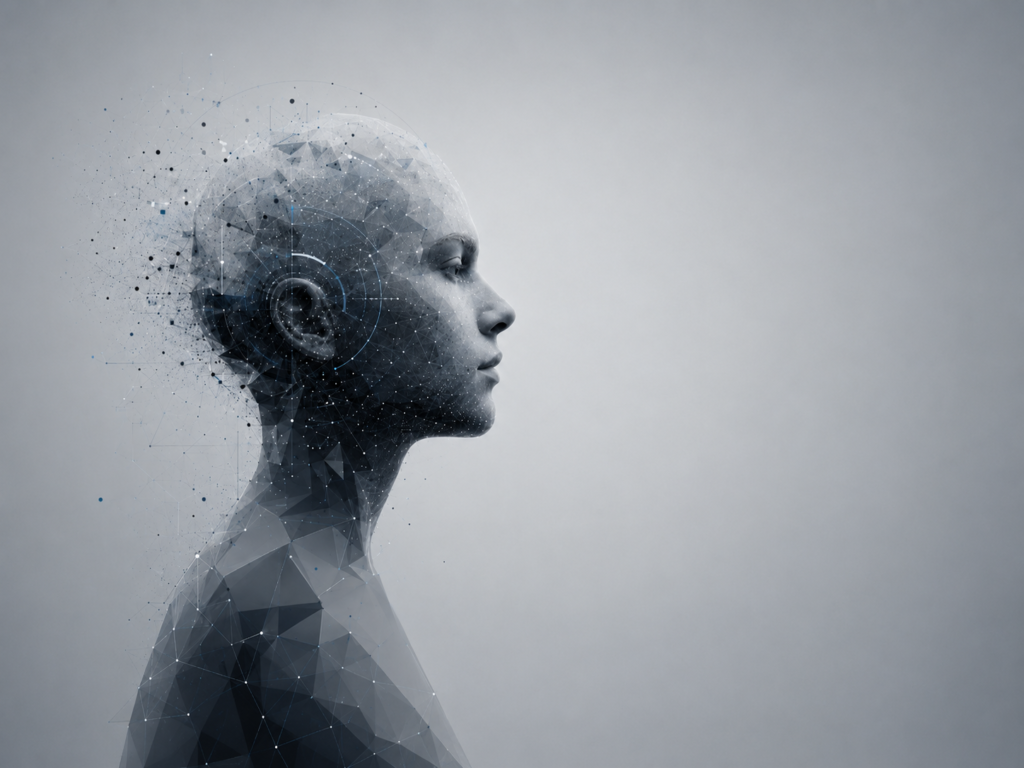
Artificial intelligence is transforming identity from something primarily embodied and relational into a distributed digital construct that can be observed, predicted, synthesized, and manipulated. This whitepaper argues that traditional privacy and property frameworks are insufficient for addressing these developments. Instead, it proposes a structured account of qualified moral rights grounded in autonomy, dignity, fairness, digital integrity, and informational self-determination while examining deepfakes, biometric surveillance, predictive profiling, and identity governance.
Applied Ethics Risk and Governance Framework (AERGF)

What is the most effective way to manage ethical risk. The Applied Ethics Risk and Governance Framework (AERGF) moves beyond simple compliance checklists by treating ethics as a structured risk governance process. Developed to address the unexamined tradeoffs and diffuse responsibility, AERGF provides five ordered stages to identify, evaluate, and mitigate ethical harms.